Quest 13 of 15
Model validation and monitoring basics for bankers
Bankers need plain-language model validation: confirm a model is fit for purpose before use, then monitor it for drift and harm.
Start here
This module builds on earlier parts, but every important idea is explained in context. Bankers need plain-language model validation: confirm a model is fit for purpose before use, then monitor it for drift and harm. As you read, connect each concept to the worked example and ask what a person must still decide.
Big idea
Bankers need plain-language model validation: confirm a model is fit for purpose before use, then monitor it for drift and harm.
Learn one idea at a time
Read, explore, then mark each idea when you can explain it.
Idea 1 of 8
Define the specific business decision, target population, and acceptable error bounds before deploying any model.
Live interactive diagrams
Tap nodes, stages, or cards to explore — these diagrams match this module’s ideas.
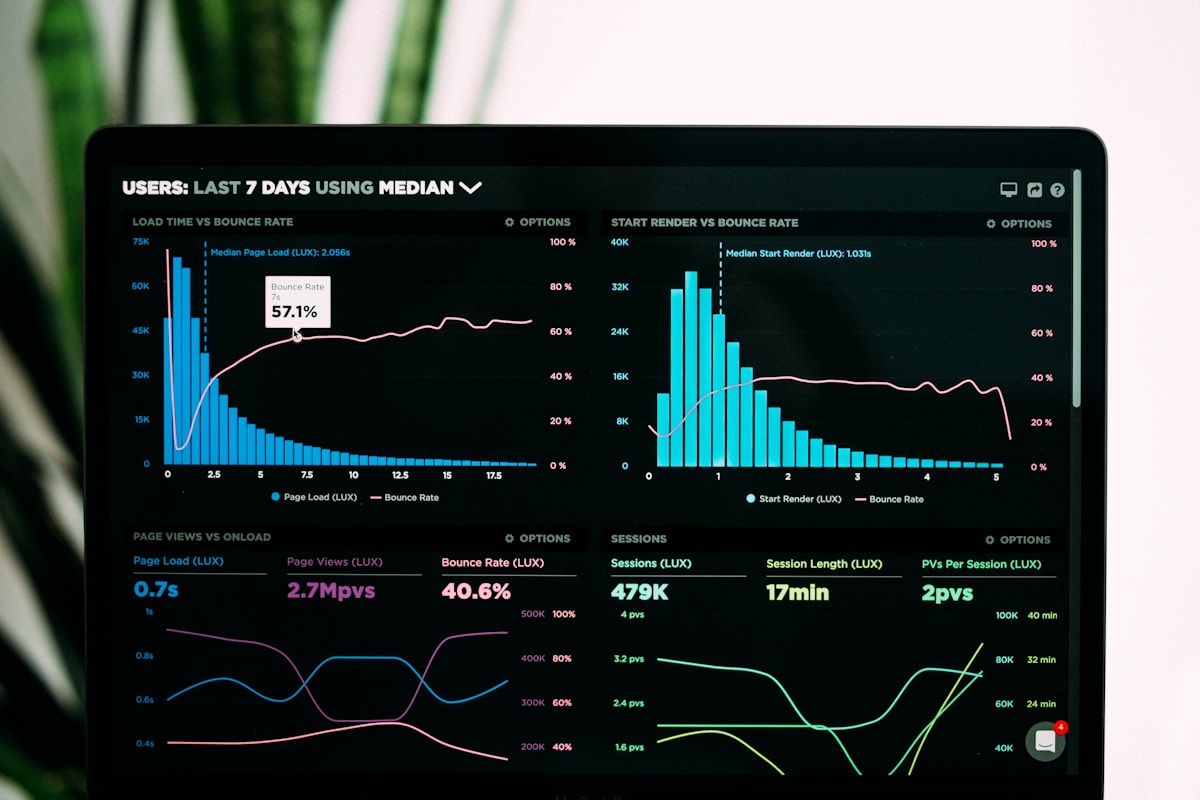
Model monitoring basics
Model live under change control.
Choose a deep dive
Open the topics you want to explore. The detail stays folded until you need it.
Deep dive 1Validation is evidence, not a checkbox
Validation challenges the model's data, assumptions, code, and use. A strong sales presentation from a vendor is not independent validation.
Deep dive 2Monitoring changing conditions
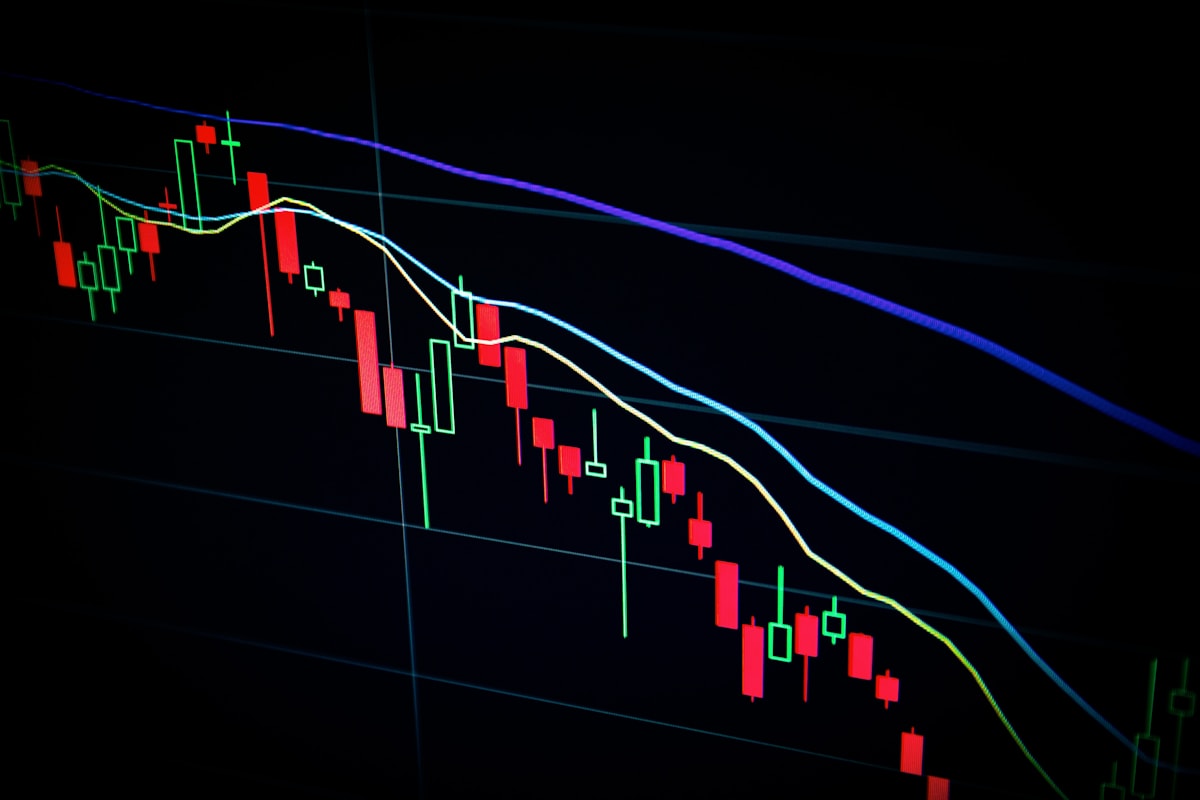
Economic shocks, new products, and changing fraud tactics can make historic patterns unreliable. Monitoring compares current results with expected performance.

Deep dive 3Worked example: Model validation and monitoring basics for bankers
A lending model begins declining small businesses in one region far more often after a new data feed is added. A responsible response is: Investigate the new feed and outcomes, escalate under model governance, and restrict use if thresholds are breached. Correct: monitoring must detect and manage harmful changes. Use this case to separate what the technology contributes from what people contribute. The team should compare the intended outcome with a baseline where applicable, record important assumptions, and keep a clear route to correct or stop the process.
Deep dive 4Local check for Model validation and monitoring basics for bankers
Ask whether the examples, data, and assumptions fit your school, company, or community. Generic demos often miss local names, laws, connectivity, and languages.
Deep dive 5Validation is ongoing
Monitor drift, fairness, and error rates after go-live — not only at launch.

One-minute challenge
Connect this lesson to real life
Name one situation where this idea could help, and one thing a person should still check.
Explore a real-world example
Use the arrows to connect the idea to a visible situation.
Photo example
Model lifecycle controls
Define use and thresholds, validate independently, monitor live outcomes, then improve, restrict, or retire the model.
Key terms
Tap a term to flip and read the definition.
Optional further learningFree textbooks and trusted online resources
These sources informed the course structure. Use them to revisit a concept or study it in more depth.
Ready check
Tick each idea only when you could explain it without looking back.
Ready for practice? Choose one outcome metric and one fairness check for a model you know.
Extra context (audience, logistics, curriculum notes)
Built for: Banking and finance practitioners — no coding required.
Formats: Learn scroll · Practice interactions · Quiz · Optional chat lab
Module 13 — Model validation and monitoring basics for bankers
Next up
Ready for the next part?
When you've finished the reading, inline exercises, and knowledge check for this part, check the box to continue.