Quest 2 of 15
Fraud & Risk Monitoring
Work like a fraud operations desk by interpreting risk scores, triaging false positives and false negatives, and documenting escalations. You will learn that a score is evidence, not a verdict, and that queue capacity changes which cases can be investigated first. This matters because blocking a legitimate traveller can harm customer trust while missing fraud can cause losses. For example, you will use location, timing, and payee novelty alongside a model score to justify a decision.
Start here
Fraud alerts can be wrong in two ways: blocking real customers or missing real criminals. We explain both without assuming you have built a model.
Big idea
Analysts work through queues ranked by risk scores. Your job is judgment, documentation, and knowing when to escalate — not trusting the score blindly.

Learn one idea at a time
Read, explore, then mark each idea when you can explain it.
Idea 1 of 9
A risk score is a number the model assigns to each transaction or case — often 0 to 100 — where higher usually means “investigate first.” Understand what the number is and is not. It is a statistical statement: cases with these characteristics historically turned out to be fraud more often. It is not a verdict about this customer, and it carries no knowledge of anything outside its inputs — the phone call the customer just made to the branch, the local holiday that explains the spending spike. Treating the score as a priority hint keeps the queue efficient; treating it as a conclusion produces exactly the two failure patterns this module exists to prevent: rubber-stamping high scores and auto-clearing low ones.
Fraud AI feedback loop
ML ranks unusual patterns — not a final verdict.
Live interactive diagrams
Tap nodes, stages, or cards to explore — these diagrams match this module’s ideas.
False positive vs false negative
- Holiday spend blocks a card
- Stolen card spends freely
- Extra analyst calls
- Loss to criminals
Tap Left or Right for each example, then "Why?" for the AI explanation.
Choose a deep dive
Open the topics you want to explore. The detail stays folded until you need it.
Deep dive 1Rank queues by harm and urgency
Triage should consider transaction value, possible customer harm, velocity, and known fraud patterns—not only a model score. A low-value card purchase may wait, while a new-beneficiary transfer that empties an SME account may need immediate review.
Deep dive 2Use feedback from closed cases
Confirmed fraud and cleared alerts are valuable learning signals, but labels must be reliable. If analysts close cases inconsistently, retraining can teach the model poor habits and make the queue worse.
Deep dive 3Worked example: one alert, investigated properly
An alert fires: a customer's card attempts a large online purchase from a foreign merchant at 02:00, minutes after a password reset. The analyst does not freeze the account on the score alone. She checks the history: the customer travels quarterly to that country, the merchant is a hotel chain the customer has used before, and the password reset came from the customer's usual device. She calls the registered number; the customer confirms a late arrival and a forgotten password. The alert is cleared with notes covering each factor checked. Three weeks later a similar pattern on a different account — but with a new device and a just-added beneficiary — is escalated and confirmed as account takeover. Same score, opposite conclusions, because context did the deciding.
Deep dive 4Fraud adapts to your defences
Fraud detection is adversarial: every control you deploy changes attacker behaviour. When card-present fraud became harder, attacks moved online; when banks tightened online rules, criminals shifted to social engineering — persuading customers to authorise payments themselves. This is why fraud models decay faster than most models and why monitoring must include emerging patterns the model was never trained on. Analysts who notice and report a new modus operandi are supplying the most valuable data in the whole system: tomorrow's training labels.
Deep dive 5Triage is judgment
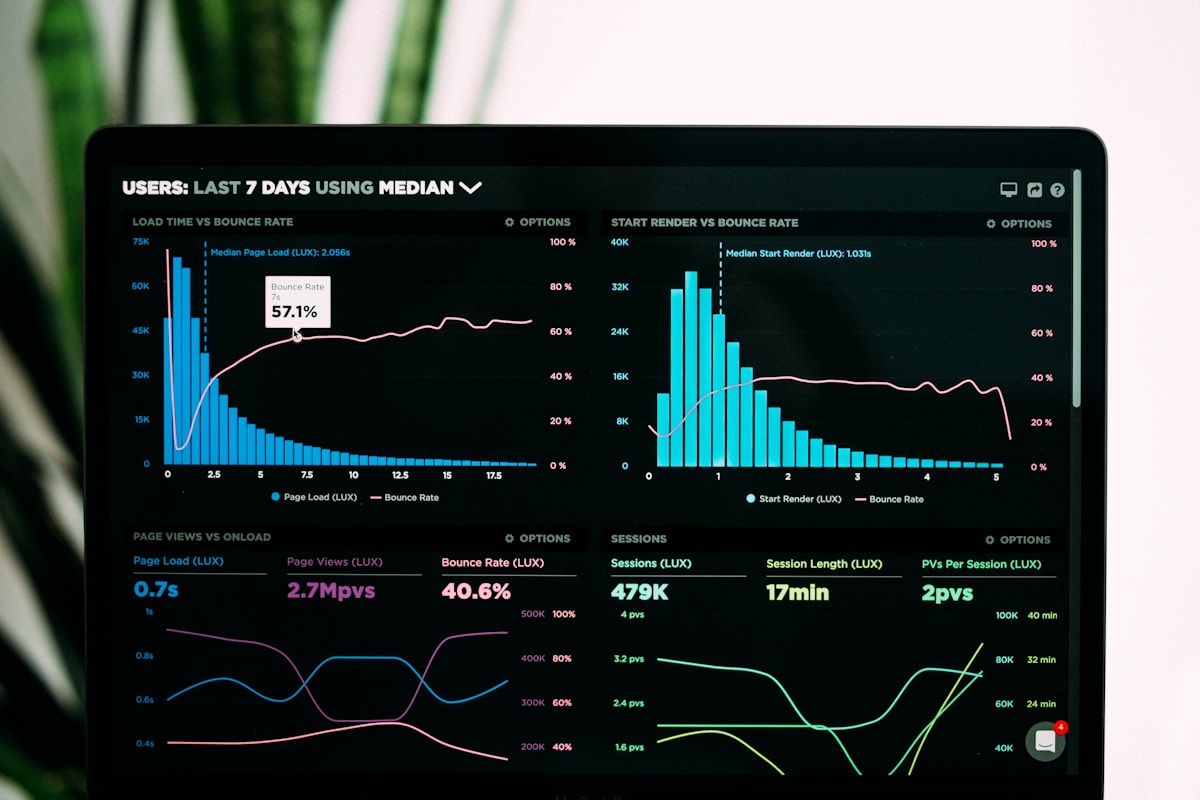
High risk scores prioritise work; they are not verdicts. Travel, salary day, and new merchants can explain odd-looking activity.
One-minute challenge
Connect this lesson to real life
Name one situation where this idea could help, and one thing a person should still check.
Explore a real-world example
Use the arrows to connect the idea to a visible situation.
Photo example
Example: document the call
Whether you clear or escalate, write why — supervisors and auditors need a reconstructable story.

Key terms
Tap a term to flip and read the definition.
Optional further learningFree textbooks and trusted online resources
These sources informed the course structure. Use them to revisit a concept or study it in more depth.
Ready check
Tick each idea only when you could explain it without looking back.
Ready for practice? Run transaction triage simulations using the terms above.
Extra context (audience, logistics, curriculum notes)
Built for: Fraud analysts, operations managers, and risk trainees.
Formats: Transaction simulation · Ranking exercise · Scenario decisions · Quiz
Fraud detection analytics — anomaly scoring, graph patterns, alert tuning (Tonex C-AIFRAS Module 2).
Next up
Ready for the next part?
When you've finished the reading, inline exercises, and knowledge check for this part, check the box to continue.