Quest 10 of 15
School leadership dashboards (ethical use)
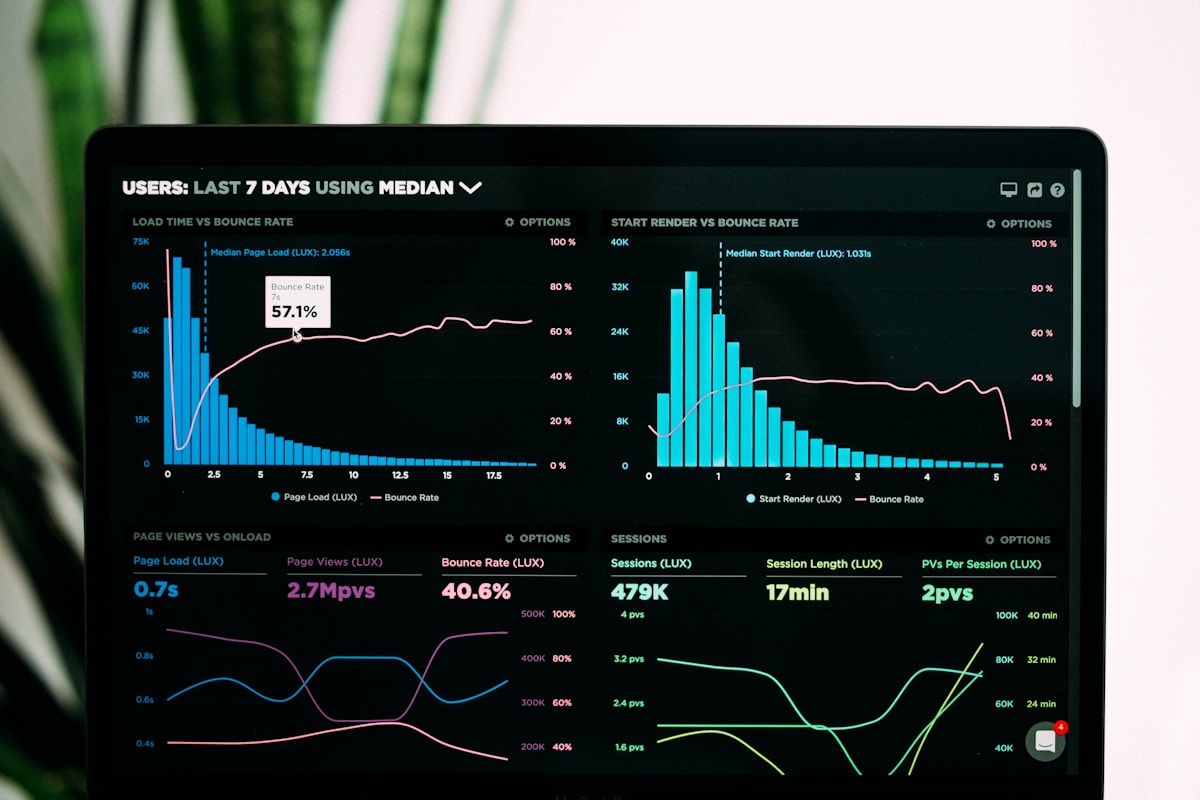
Dashboards can help leaders notice patterns in attendance and learning, but they must not become automated judgments about learners, teachers, or communities.
Start here
This module builds on earlier parts, but every important idea is explained in context. Dashboards can help leaders notice patterns in attendance and learning, but they must not become automated judgments about learners, teachers, or communities. As you read, connect each concept to the worked example and ask what a person must still decide.
Big idea
Dashboards can help leaders notice patterns in attendance and learning, but they must not become automated judgments about learners, teachers, or communities.
Learn one idea at a time
Read, explore, then mark each idea when you can explain it.
Idea 1 of 8
Define a legitimate educational question and identify the minimum necessary data needed to answer it.
Live interactive diagrams
Tap nodes, stages, or cards to explore — these diagrams match this module’s ideas.
Leadership dashboard care
What decision will this chart inform?
Choose a deep dive
Open the topics you want to explore. The detail stays folded until you need it.
Deep dive 1A dashboard shows signals, not causes
A change in attendance might reflect transport, illness, safety, fees, weather, data entry, or many other factors. Leaders should ask and listen before acting.

Deep dive 2Avoiding harmful ranking
Public rankings can shame schools, learners, or teachers and may reward data manipulation. Restrict access, explain use, and focus on improvement.

Deep dive 3Worked example: School leadership dashboards (ethical use)
A district dashboard marks one rural school red for low attendance during the rainy season. A responsible response is: Speak with the school and community about transport, weather, and data quality before planning support. Correct: local evidence gives meaning to the pattern. Use this case to separate what the technology contributes from what people contribute. The team should compare the intended outcome with a baseline where applicable, record important assumptions, and keep a clear route to correct or stop the process.
Deep dive 4Local check for School leadership dashboards (ethical use)
Ask whether the examples, data, and assumptions fit your school, company, or community. Generic demos often miss local names, laws, connectivity, and languages.
Deep dive 5Leadership dashboards need context
Attendance patterns need transport and weather stories before blame.

One-minute challenge
Connect this lesson to real life
Name one situation where this idea could help, and one thing a person should still check.
Explore a real-world example
Use the arrows to connect the idea to a visible situation.
Photo example
Ethical dashboard inquiry
A pattern prompts validation and conversation; leaders combine context with data to plan support.
Key terms
Tap a term to flip and read the definition.
Optional further learningFree textbooks and trusted online resources
These sources informed the course structure. Use them to revisit a concept or study it in more depth.
Ready check
Tick each idea only when you could explain it without looking back.
Ready for practice? Choose a dashboard indicator and list two possible reasons it could be misleading.
Extra context (audience, logistics, curriculum notes)
Built for: Teachers and education leaders — classroom-first.
Formats: Learn scroll · Practice interactions · Quiz · Optional chat lab
Module 10 — School leadership dashboards (ethical use)
Next up
Ready for the next part?
When you've finished the reading, inline exercises, and knowledge check for this part, check the box to continue.