Quest 1 of 15
AI Foundations for Educators
Build classroom-safe AI literacy by learning what generative tools can do, where they fail, and how to protect student privacy. You will model responsible use in language learners can understand and distinguish support from misconduct. This matters because a useful planning tool can still expose identifiable student information or encourage unacknowledged work. For example, you will turn a fictional student paragraph into an anonymised prompt before using it for feedback practice.
Start here
New to classroom AI? Start here. We assume you are a teacher or trainee teacher — not a technologist — and explain what these tools can do safely.
Big idea
AI can help you plan, differentiate, and draft materials — but student privacy, accuracy, and academic integrity rules come first.
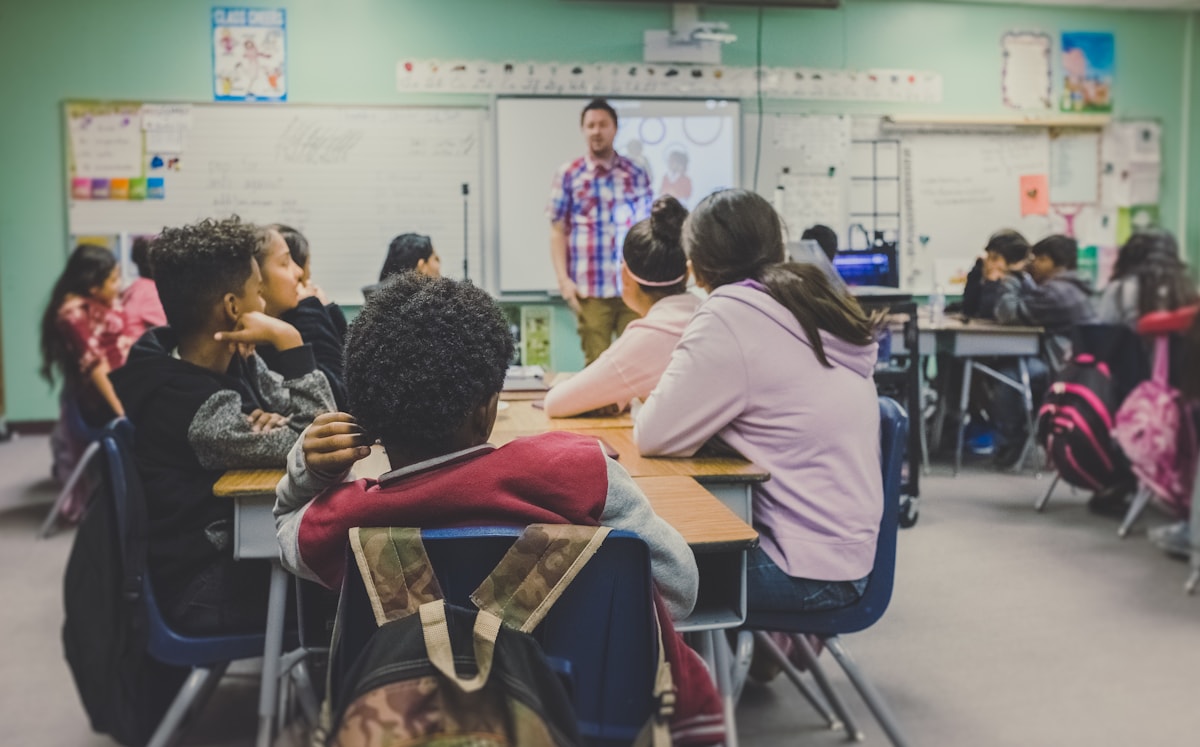
Learn one idea at a time
Read, explore, then mark each idea when you can explain it.
Idea 1 of 7
Understand the underlying technology, because it explains every strength and weakness you will meet. AI writing tools generate text by predicting likely word sequences from patterns in enormous training collections — they are probability engines, not databases of verified fact. This single design fact has three classroom consequences. They are excellent at form: producing a worksheet in the right shape, rephrasing an explanation for a younger reader, generating twenty practice questions in a minute. They are unreliable on specifics: a date, a formula, a quotation, or a 'source' can be confidently wrong, because plausibility, not truth, is what the machine optimises. And they know nothing of your context: your syllabus, your school's scheme of work, and this week's class are invisible to them unless you supply that information yourself. A teacher who understands this uses AI where form matters and checks it wherever fact matters.
Classroom AI: support or misconduct?
- AI explains a concept you did not understand
- Submit AI essay as your own closed-book exam
- Teacher drafts differentiated reading levels, then edits
Tap Left or Right for each example, then "Why?" for the AI explanation.
Live interactive diagrams
Tap nodes, stages, or cards to explore — these diagrams match this module’s ideas.
Classroom AI: safe draft vs risky upload
- Draft quiz items without student names
- Paste identifiable student essays into a public bot
- Generate three reading levels of one article
- Let AI assign final grades alone
Tap Left or Right for each example, then "Why?" for the AI explanation.
Choose a deep dive
Open the topics you want to explore. The detail stays folded until you need it.
Deep dive 1Privacy is a classroom routine
Treat a public AI prompt as information leaving the classroom unless your school has an approved agreement that says otherwise. Instead of pasting a learner's essay with a name, describe the writing need or use a fully anonymised sample.
Deep dive 2AI output needs teacher judgment
An answer can be fluent yet wrong, culturally awkward, or misaligned to your curriculum. A teacher checks facts, reading level, examples, and assessment fit before using a generated worksheet.
Deep dive 3Case study: Mrs Moyo's Sunday evening
Mrs Moyo teaches four Form 2 science classes and used to spend Sunday evenings writing differentiated worksheets by hand. Now she drafts with an approved AI tool: one prompt produces a core worksheet aligned to the topic, a support version with sentence starters, and an extension version with application questions. Drafting takes fifteen minutes. She then spends forty minutes doing what only she can do: correcting a subtly wrong diagram description, swapping a European example for the local dam her students know, checking terms against the ZIMSEC syllabus, and adjusting difficulty for the class that struggled last week. Her Sunday evening is two hours shorter — and the worksheets are better, because her time moved from typing to judgment.
Deep dive 4What AI cannot see about your classroom
A language model has never met your students. It does not know that two learners share one textbook, that the third row cannot see the board, that Tendai reads two grades above level while his desk-mate is still decoding, or that yesterday's lesson ran short and today must catch up. Every worthwhile classroom decision draws on exactly this knowledge. This is why AI sits naturally at the drafting stage of teaching and poorly at the deciding stage — and why 'the AI suggested it' can never justify a choice a teacher would not defend from their own knowledge of the class.
Deep dive 5Classroom AI starts with privacy
Use approved tools. Remove names before prompting. Model verification for learners.
One-minute challenge
Connect this lesson to real life
Name one situation where this idea could help, and one thing a person should still check.
Explore a real-world example
Use the arrows to connect the idea to a visible situation.
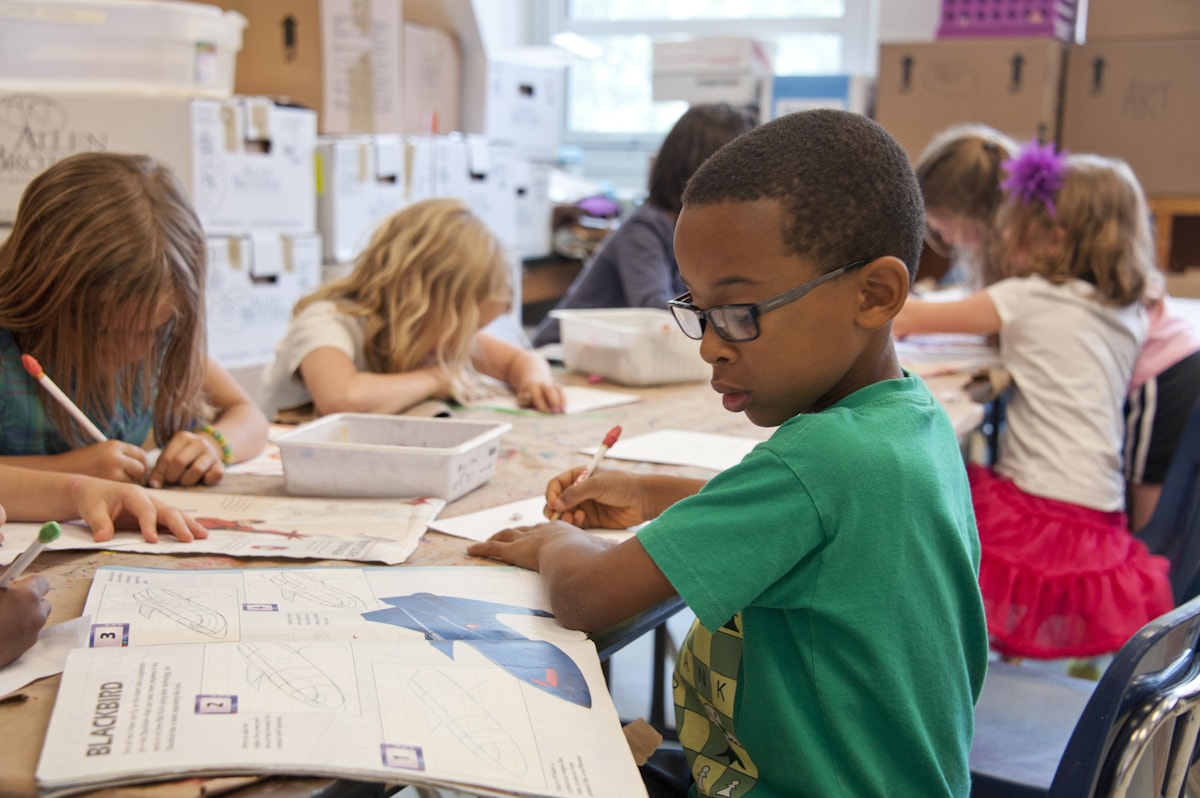
Photo example
Example: ordinary classroom
AI assists planning — it does not replace relationships.
Key terms
Tap a term to flip and read the definition.
Optional further learningFree textbooks and trusted online resources
These sources informed the course structure. Use them to revisit a concept or study it in more depth.
Ready check
Tick each idea only when you could explain it without looking back.
Ready for practice? Classify classroom AI uses, then reflect on your own context.
Extra context (audience, logistics, curriculum notes)
Built for: Teachers, trainers, education leaders — no technical background required.
Formats: Scenario classification · Privacy drills · AI chat lab · Quiz
Coursera AI-Powered K-12; Google Generative AI for Educators foundations.
Next up
Ready for the next part?
When you've finished the reading, inline exercises, and knowledge check for this part, check the box to continue.