Quest 1 of 15
Industrial AI Foundations & Tool Landscape
Map the heavy-industry AI stack: SCADA and IIoT telemetry, CMMS work-order systems, computer-vision platforms, predictive-maintenance analytics, and generative assistants for shift logs. You will compare vendor categories — from CMMS-native AI (Oxmaint, UpKeep) to enterprise asset suites (IBM Maximo, IFS) — and decide where humans must stay in control. For example, you will classify which alerts should create a tracked work order versus which require immediate operator action.
Start here
Heavy industry runs on tools you may already have — SCADA, CMMS, and spreadsheets — plus newer AI layers. We map what each tool category does without assuming data-science training.
Big idea
Industrial AI connects sensors and historians to CMMS work orders, computer-vision inspection, and predictive-maintenance analytics — humans approve safety-critical and production actions.

Sensor → AI assist → human action
Gas, vibration, temperature — telemetry to SCADA.
Learn one idea at a time
Read, explore, then mark each idea when you can explain it.
Idea 1 of 7
Start with the data layer, because every industrial AI capability sits on top of it. PLCs (programmable logic controllers) run the machines; sensors on motors, pumps, conveyors, and environmental points measure vibration, temperature, pressure, flow, and gas levels; SCADA supervises and displays it all in real time; and historians archive years of these readings as time-series data. This stack — often called IIoT when modern networked sensors join it — already exists on most sites. AI does not replace it; AI consumes it. The practical consequence: the quality of any AI initiative is capped by the quality of this layer, so timestamp accuracy, sensor calibration, and gap-free archiving are AI projects even though they contain no AI.
Live interactive diagrams
Tap nodes, stages, or cards to explore — these diagrams match this module’s ideas.
From sensor to action
Vibration, gas, temperature, pressure.
Choose a deep dive
Open the topics you want to explore. The detail stays folded until you need it.
Deep dive 1Sensors need operational context
A temperature rise may signal bearing wear, heavier load, or a sensor fault. A control-room operator should compare it with vibration, production rate, maintenance history, and site conditions before raising a work order.
Deep dive 2Connectivity shapes the design
Underground and remote sites can lose network coverage, power, or data links. A practical solution records data locally, shows a clear stale-data warning, and never assumes a missing reading means safe conditions.
Deep dive 3SCADA and AI are partners, not rivals
SCADA shows live status and alarms; AI may help find patterns across weeks of telemetry. When the two disagree, treat both as evidence and escalate to the process owner rather than silently trusting the newer dashboard.
Deep dive 4Case study: the conveyor that told its own story
A processing plant fits vibration and temperature sensors to its main conveyor drive. For months the readings are unremarkable. Then the anomaly model flags a slowly rising vibration signature on one pulley bearing — invisible on any single day, obvious across six weeks of trend. Maintenance schedules a replacement during the next planned stop, finds the bearing race pitted exactly as the signature suggested, and avoids what the reliability engineer estimates would have been an unplanned two-day stoppage within the month. The win came from three unglamorous things done well: sensors mounted and calibrated correctly, data flowing reliably into the historian, and a planner who trusted the trend enough to act inside a planned window.
Deep dive 5Start with the data you already have
Most industrial sites sit on years of unexamined evidence: historian tags, work-order histories, shift logs, downtime records, and quality results. Before buying new sensors or platforms, ask what the existing records can already answer — which assets cause the most unplanned downtime, which alarms are chronically ignored, which failure modes repeat seasonally. A downtime Pareto built from the CMMS is not machine learning, but it identifies exactly where machine learning would pay. Sites that skip this step often instrument the wrong equipment beautifully.
Deep dive 6Tools before slogans
Industrial AI starts with SCADA, CMMS, and sensor telemetry — check calibration and timestamps before trusting a trend.
One-minute challenge
Connect this lesson to real life
Name one situation where this idea could help, and one thing a person should still check.
Explore a real-world example
Use the arrows to connect the idea to a visible situation.
Photo example
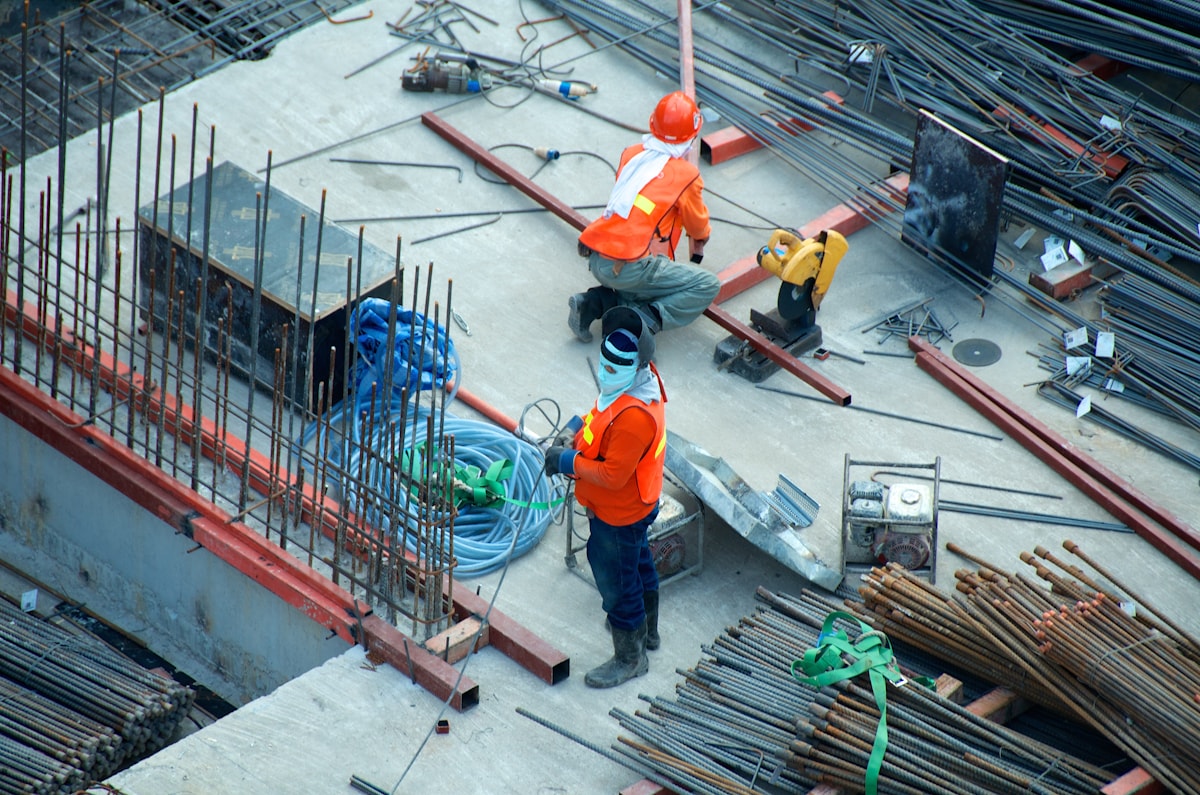
Example: plant reality
Dust, network gaps, and stale feeds change what remote AI can see.
Key terms
Tap a term to flip and read the definition.
Optional further learningFree textbooks and trusted online resources
These sources informed the course structure. Use them to revisit a concept or study it in more depth.
Ready check
Tick each idea only when you could explain it without looking back.
Ready for practice? Explore industrial AI tool examples, then check understanding with activities.
Extra context (audience, logistics, curriculum notes)
Built for: Plant operators, maintenance planners, reliability engineers, and industrial supervisors — no data science background required.
Formats: Tool landscape mapping · Scenario decisions · AI chat lab · Quiz
Industrial AI foundations — CMMS, SCADA/IIoT, and heavy-industry tool landscape.
Next up
Ready for the next part?
When you've finished the reading, inline exercises, and knowledge check for this part, check the box to continue.