Quest 2 of 15
Safety Systems & Computer Vision
Explore AI safety tools used in heavy industry: computer vision for PPE compliance, proximity and exclusion-zone monitoring, thermal anomaly detection, and gas or process alarms integrated with playbooks. Platforms such as Landing AI, Oxmaint Vision, and site-built edge models can flag defects or violations — but alarms must route to trained responders. For example, you will decide how a vision alert for missing hard hat combines with physical barriers and supervisor authority.
Start here
Safety AI can watch camera feeds, proximity zones, gas readings, and heat sensors, but every alert needs a tested response. This module explains each input before asking you to design an alert workflow.
Big idea
Computer vision and physical sensors can direct attention to hazards, while qualified people follow site playbooks and retain authority over safety decisions.
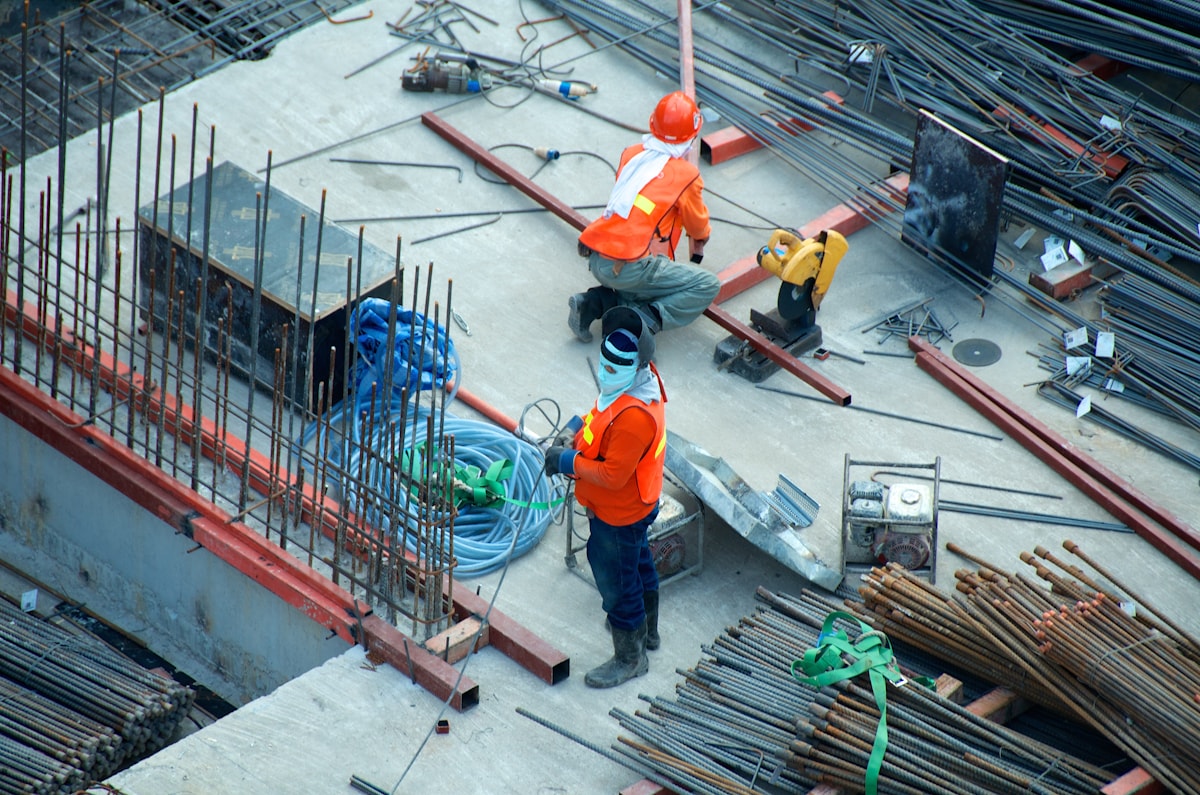
Learn one idea at a time
Read, explore, then mark each idea when you can explain it.
Idea 1 of 11
Industrial safety systems draw on genuinely different inputs, and each needs its own tested response rule. Gas and heat sensors measure physical conditions directly — parts-per-million of carbon monoxide, percentage of methane, temperature on a bearing. Proximity systems track dangerous zones around vehicles and equipment, warning when a person and a loader converge. Computer-vision systems inspect camera images for PPE compliance, unauthorised access, smoke, or visible hazards. The failure of many 'integrated safety' projects is treating these as one stream: a gas reading is a physical measurement with legal meaning, a proximity alert is a geometry calculation, and a camera flag is a statistical guess about pixels — three different levels of certainty demanding three different responses.
Live interactive diagrams
Tap nodes, stages, or cards to explore — these diagrams match this module’s ideas.
Credible alarms
Gas, slope, or proximity trigger.
Choose a deep dive
Open the topics you want to explore. The detail stays folded until you need it.
Deep dive 1Safety alarms are not a model contest
When a gas, slope, or proximity alarm triggers, the approved site response applies even if an AI tool predicts low risk. Investigation can refine the system later; it must never delay immediate protective action.
Deep dive 2Watch for automation bias
Operators may over-trust a confident dashboard and discount their own observations. Build interfaces that show uncertainty, source readings, and the required response, especially where dust, rain, or sensor damage can distort data.
Deep dive 3Cry-wolf is also a safety risk
If alerts fire too often on false readings, people learn to ignore them. Safety and reliability teams should track false alarm rate, sensor health, and response time together so thresholds stay credible.
Deep dive 4Case study: proximity detection that earned its keep
A surface operation installs proximity detection between haul trucks and light vehicles. In the first month, operators complain about nuisance alarms at a particular intersection where the geometry makes safe passes look close. Instead of muting the system, the site treats the complaints as data: it re-surveys the intersection, adjusts the detection zones with the vendor, and changes the traffic flow to remove the blind convergence entirely. Alarms drop to credible levels, and months later the system gives a driver the seconds needed to stop short of a light vehicle hidden in dust. The sequence matters: tuning plus road redesign made the technology trustworthy enough to save the situation it was bought for.
Deep dive 5Fatigue monitoring needs a dignity policy
Camera-based fatigue detection watches eye closure and head position, and it genuinely catches microsleeps on long night shifts. It also raises legitimate worker concerns: who sees the footage, is it used for discipline, and what happens after an alert? Sites that succeed treat an alert as a safety intervention, not an accusation — a controlled rest break, a conversation about roster pressure, no punitive record for the alert itself. Sites that use the same alerts for performance management find workers defeating the cameras, and the safety value evaporates. The technology is the easy half; the policy is what determines whether it works.
Deep dive 6Protocol beats model confidence
Hazard alarms follow site playbooks. AI may prioritise queues — it does not replace evacuation authority.

One-minute challenge
Connect this lesson to real life
Name one situation where this idea could help, and one thing a person should still check.
Explore a real-world example
Use the arrows to connect the idea to a visible situation.
Photo example
Example: field conditions
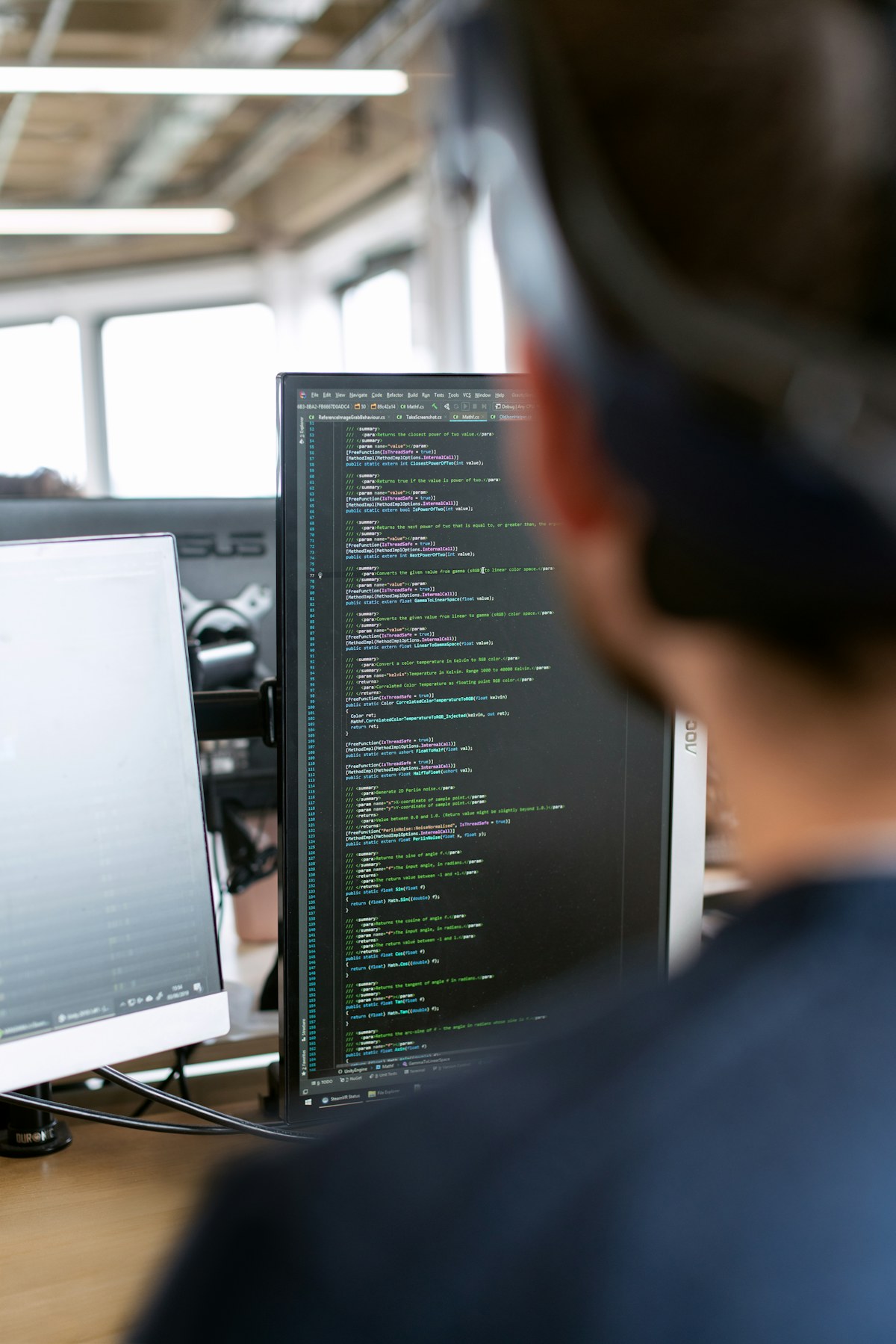
What looks calm on a dashboard may not match what a supervisor sees on site.
Key terms
Tap a term to flip and read the definition.
Optional further learningFree textbooks and trusted online resources
These sources informed the course structure. Use them to revisit a concept or study it in more depth.
Ready check
Tick each idea only when you could explain it without looking back.
Ready for practice? Run hazard response drills in simulation before the knowledge check.
Extra context (audience, logistics, curriculum notes)
Built for: Safety officers, control-room operators, maintenance leads, and EHS teams.
Formats: Vision-AI scenarios · Alarm routing drill · Scenario feedback · Quiz
Industrial safety AI — computer vision, proximity, and emergency playbooks.
Next up
Ready for the next part?
When you've finished the reading, inline exercises, and knowledge check for this part, check the box to continue.