Quest 8 of 15
Robotics, cobots, and human–machine collaboration
Industrial robotics and collaborative robots use vision, force sensing, and ML for pick-place, welding assist, and hazardous tasks — always within safety-rated cells and trained procedures.
Start here
This module builds on earlier parts, but every important idea is explained in context. Industrial robotics and collaborative robots use vision, force sensing, and ML for pick-place, welding assist, and hazardous tasks — always within safety-rated cells and trained procedures. As you read, connect each concept to the worked example and ask what a person must still decide.
Big idea
Industrial robotics and collaborative robots use vision, force sensing, and ML for pick-place, welding assist, and hazardous tasks — always within safety-rated cells and trained procedures.
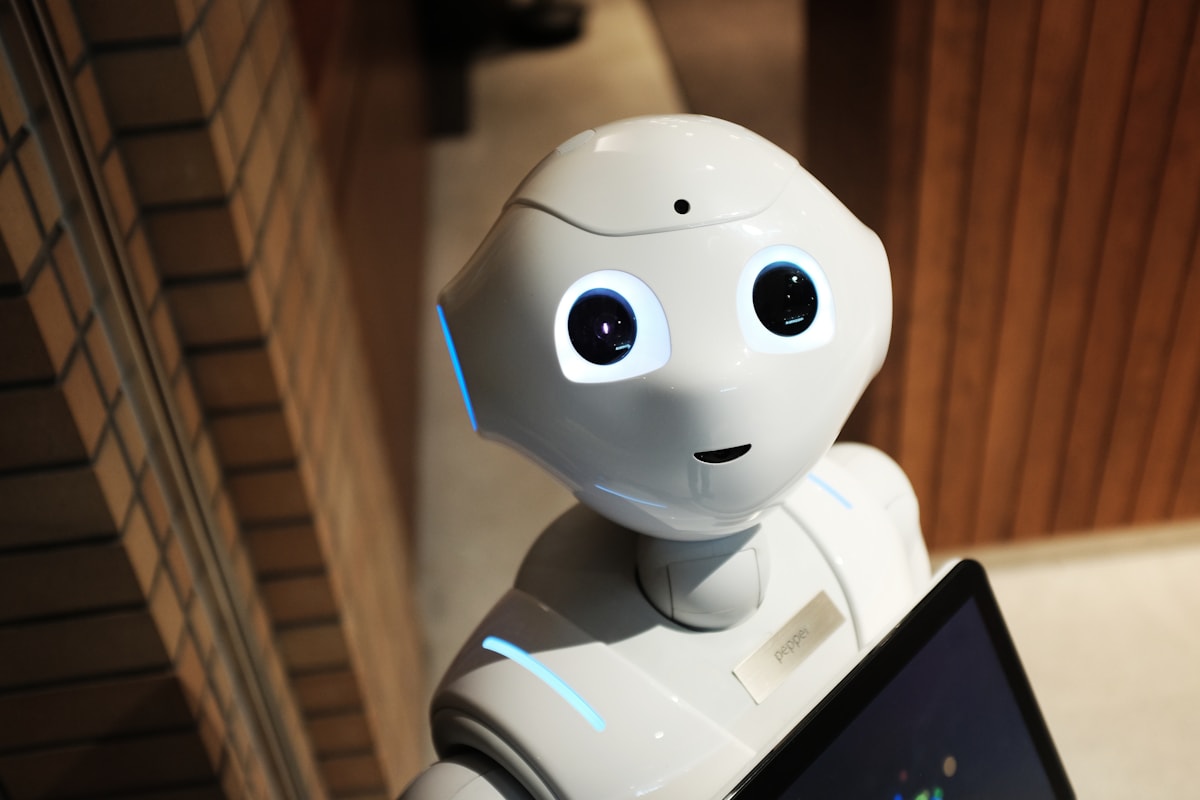
Learn one idea at a time
Read, explore, then mark each idea when you can explain it.
Idea 1 of 8
Map plant tasks systematically to identify which are highly repetitive, hazardous, or require extreme precision.
Choose a deep dive
Open the topics you want to explore. The detail stays folded until you need it.
Deep dive 1Collaboration, not replacement
Cobots work alongside people with force limits and zone monitoring. Programming changes and new SKUs still need engineer review.

Deep dive 2Vision models need controlled conditions
Lighting, dust, and part variation cause mis-picks. Golden samples and periodic revalidation are part of operating the tool.

Deep dive 3Worked example: Robotics, cobots, and human–machine collaboration
A packaging line robot mis-picks after a label redesign changed reflectivity. A responsible response is: Pause, recalibrate vision, update golden samples, and test before full speed. Correct: controlled recovery prevents quality escapes. Use this case to separate what the technology contributes from what people contribute. The team should compare the intended outcome with a baseline where applicable, record important assumptions, and keep a clear route to correct or stop the process.
Deep dive 4Local check for Robotics, cobots, and human–machine collaboration
Ask whether the examples, data, and assumptions fit your school, company, or community. Generic demos often miss local names, laws, connectivity, and languages.
Deep dive 5Cobots share work with people
Robots can handle repetitive movement while operators retain setup, quality checks, safe-stop authority, and exception handling.
One-minute challenge
Connect this lesson to real life
Name one situation where this idea could help, and one thing a person should still check.
Explore a real-world example
Use the arrows to connect the idea to a visible situation.
Photo example
Layered robotics safety
Guarding, interlocks, trained operators, and vision QA combine before autonomy expands.
Key terms
Tap a term to flip and read the definition.
Optional further learningFree textbooks and trusted online resources
These sources informed the course structure. Use them to revisit a concept or study it in more depth.
Ready check
Tick each idea only when you could explain it without looking back.
Ready for practice? List one task suitable for cobot assist and one that must stay fully manual.
Extra context (audience, logistics, curriculum notes)
Built for: Heavy industry operations teams — manufacturing, energy, mining, and process plants.
Formats: Learn scroll · Practice interactions · Quiz · Optional chat lab
Module 8 — Robotics, cobots, and human–machine collaboration
Next up
Ready for the next part?
When you've finished the reading, inline exercises, and knowledge check for this part, check the box to continue.