Quest 6 of 15
Core Project: Industrial Operations Control Center
Apply the core modules in an industrial control-center design connecting SCADA, CMMS, vision, predictive maintenance, and energy tools. This is a core-stage project; modules 7–14 add work-order automation, robotics, fleet, supply, quality, cybersecurity, and rollout depth before the integrated roadmap capstone in module 15.
Start here
Your core project designs how monitoring, alerts, and emergencies connect, with clear human authority at every critical step. Later modules deepen automation, robotics, cybersecurity, and rollout before the final roadmap capstone.
Big idea
A smart control-center concept integrates data sources, refresh rates, alert routing, and playbooks — governance and training included.

Learn one idea at a time
Read, explore, then mark each idea when you can explain it.
Idea 1 of 8
Begin the design with a complete inventory of data sources, each annotated with its refresh rate, because the control centre can only be as current as its slowest critical feed. SCADA process values may update every second; gas sensors every minute; personnel tracking near-continuously; maintenance system status hourly; drone surveys weekly. Write these rates down explicitly — they determine what the centre can honestly claim to know. A dashboard mixing one-second telemetry with week-old survey data without labelling the difference invites operators to treat everything as live. The inventory also exposes gaps and overlaps: the area with no sensor coverage, the two systems reporting the same pump differently, the feed that silently stops on network faults.
Choose a deep dive
Open the topics you want to explore. The detail stays folded until you need it.
Deep dive 1Governance is part of the equipment
A site AI roadmap should identify who owns the model, who maintains sensors, who can change alert thresholds, and who audits outcomes. Without these roles, a promising control-room display can become an untrusted screen after the first failure.
Deep dive 2Pilot for adoption as well as accuracy
Test whether shift teams can understand and act on recommendations under real conditions, including night shift and low connectivity. A technically accurate system creates little value if crews cannot see why it is recommending a change or how to escalate it.
Deep dive 3Case study: the pilot that failed usefully
A site pilots an AI scheduling assistant for its crushing circuit. The model's recommendations are technically sound, but the pilot review reveals the real blocker: recommendations arrive on a web dashboard nobody opens mid-shift, and the shift supervisor's actual decision tool is a radio and a whiteboard. Adoption is near zero. Instead of declaring failure, the team writes it up honestly: the model works, the delivery mechanism does not. Version two pushes one recommendation per shift into the existing shift-handover form and adoption follows. The stop-criteria review saved the budget a year of licence fees on an unused dashboard — and the documented lesson shaped every later rollout on the site.
Deep dive 4OT cybersecurity is a precondition, not an afterthought
Every AI integration adds connections into operational technology networks that were historically isolated: new sensors, gateways, cloud links, and vendor remote access. Each is a potential attack path into systems that move physical equipment. Before a pilot goes live, the basics must hold: network segmentation between IT and OT with controlled crossing points, vendor access that is time-limited and logged, an inventory of every device the project added, and an incident plan that includes safely operating the plant if the analytics layer is compromised. Hardwired safety interlocks must never depend on the analytics network being trustworthy. A useful rule: the AI system should be able to fail, or be switched off, without the plant becoming unsafe.
Deep dive 5Pilot like you mean to operate
Name owners for sensors, models, and incident response before scaling a control-room display.
One-minute challenge
Connect this lesson to real life
Name one situation where this idea could help, and one thing a person should still check.
Explore a real-world example
Use the arrows to connect the idea to a visible situation.
Photo example
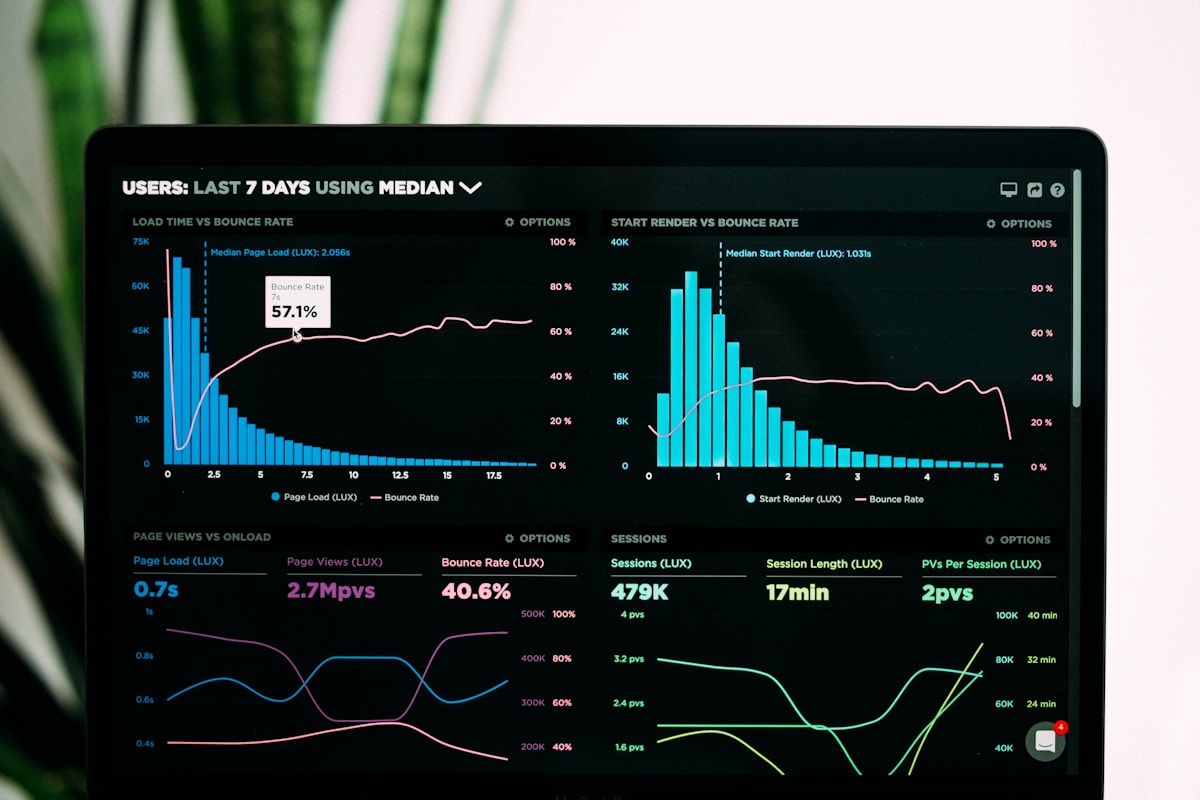
Example: night-shift adoption
If crews cannot explain a recommendation at 02:00, accuracy on a slide will not create value.

Key terms
Tap a term to flip and read the definition.
Optional further learningFree textbooks and trusted online resources
These sources informed the course structure. Use them to revisit a concept or study it in more depth.
Ready check
Tick each idea only when you could explain it without looking back.
Ready for practice? Design your industrial control-center concept with workflows, not only technology labels.
Extra context (audience, logistics, curriculum notes)
Built for: Final integrated design; individual or team.
Formats: Capstone board · Presentation · Peer review · AI mentor lab
Industrial capstone — control center architecture and tool integration strategy.
Next up
Ready for the next part?
When you've finished the reading, inline exercises, and knowledge check for this part, check the box to continue.