Quest 9 of 15
Fleet, haulage, and mobile equipment AI
Fleet telematics and dispatch AI optimise cycles, fuel, and maintenance — used in mining haul trucks, port equipment, and plant logistics — with supervisors retaining veto on unsafe routes.
Start here
This module builds on earlier parts, but every important idea is explained in context. Fleet telematics and dispatch AI optimise cycles, fuel, and maintenance — used in mining haul trucks, port equipment, and plant logistics — with supervisors retaining veto on unsafe routes. As you read, connect each concept to the worked example and ask what a person must still decide.
Big idea
Fleet telematics and dispatch AI optimise cycles, fuel, and maintenance — used in mining haul trucks, port equipment, and plant logistics — with supervisors retaining veto on unsafe routes.

Learn one idea at a time
Read, explore, then mark each idea when you can explain it.
Idea 1 of 8
Validate the freshness and accuracy of GPS, payload, and road-condition data entering the dispatch system.
Live interactive diagrams
Tap nodes, stages, or cards to explore — these diagrams match this module’s ideas.
Fleet optimisation with safety constraints
Truck location, payload, queues, road condition, weather, and blast windows.
Choose a deep dive
Open the topics you want to explore. The detail stays folded until you need it.
Deep dive 1Optimise within physics
Rain, congestion, and blast windows change feasible routes. Models trained on dry-season data may fail in monsoon conditions.
Deep dive 2Site knowledge beats stale maps
Supervisor overrides are valuable training signal — capture why a route was rejected.

Deep dive 3Worked example: Fleet, haulage, and mobile equipment AI
After heavy rain, a fleet model sends loaded trucks down a ramp marked unstable in the shift briefing. A responsible response is: Override, reroute, and feed the closure back to dispatch rules. Correct. Use this case to separate what the technology contributes from what people contribute. The team should compare the intended outcome with a baseline where applicable, record important assumptions, and keep a clear route to correct or stop the process.
Deep dive 4Local check for Fleet, haulage, and mobile equipment AI
Ask whether the examples, data, and assumptions fit your school, company, or community. Generic demos often miss local names, laws, connectivity, and languages.
Deep dive 5Fleet optimisation respects site constraints
Dispatch models can suggest truck assignments and routes, but supervisors check rain damage, congestion, fatigue controls, and blast windows.
One-minute challenge
Connect this lesson to real life
Name one situation where this idea could help, and one thing a person should still check.
Explore a real-world example
Use the arrows to connect the idea to a visible situation.
Photo example
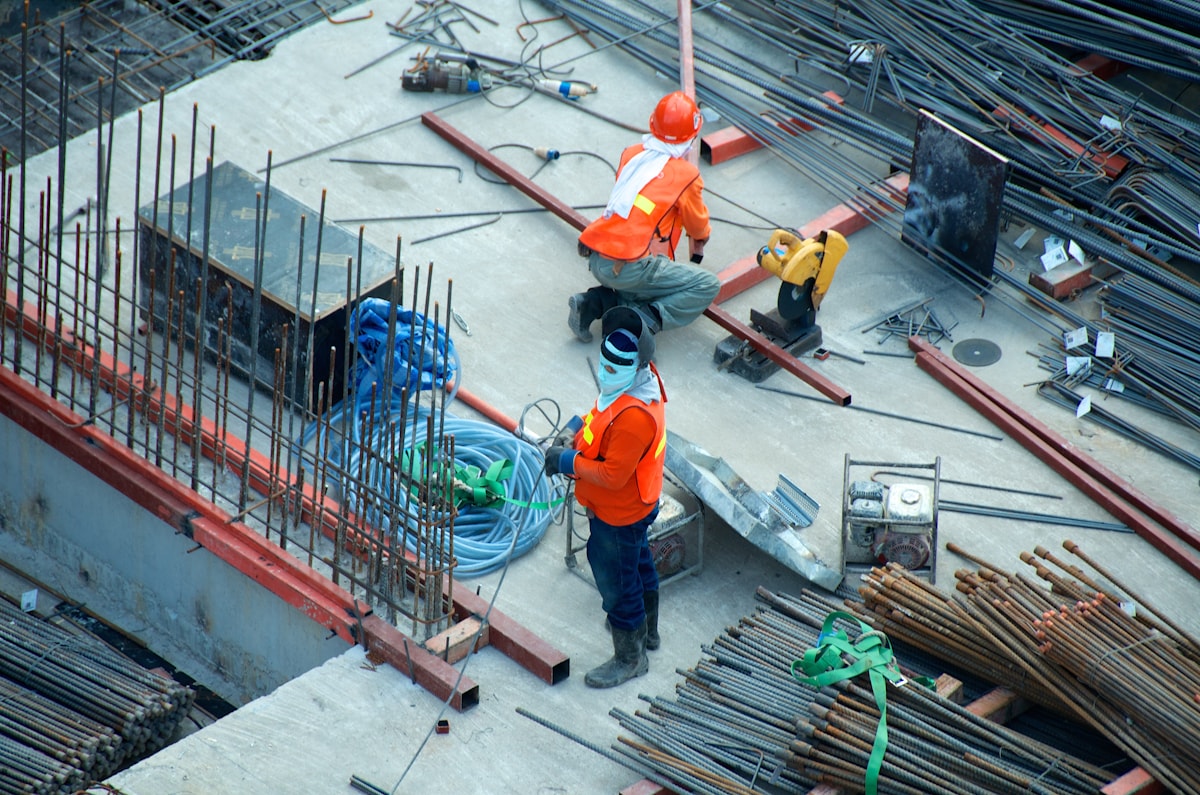
Constrained fleet dispatch
Telematics informs suggestions; closures, weather, and supervisors determine what runs.
Key terms
Tap a term to flip and read the definition.
Optional further learningFree textbooks and trusted online resources
These sources informed the course structure. Use them to revisit a concept or study it in more depth.
Ready check
Tick each idea only when you could explain it without looking back.
Ready for practice? Name one condition that should block an automated route suggestion.
Extra context (audience, logistics, curriculum notes)
Built for: Heavy industry operations teams — manufacturing, energy, mining, and process plants.
Formats: Learn scroll · Practice interactions · Quiz · Optional chat lab
Module 9 — Fleet, haulage, and mobile equipment AI
Next up
Ready for the next part?
When you've finished the reading, inline exercises, and knowledge check for this part, check the box to continue.